




Conditions and Procedures

Explore the conditions we care for and the procedures that
support accurate diagnosis and personalized treatment.

Our Providers

A multidisciplinary team committed to personalized care
built on expertise, empathy, and trust.

Awards
and Recognition

Our physicians have received recognition from respected medical organizations and publications for their dedication to patient care and clinical excellence.

What do Patients Say?

Every experience shared reflects our commitment to compassionate
care and meaningful patient relationships.

Schedule your
Appointment with us?

Not Carrying your Phone?
Click here to schedule

Scan with
your Phone

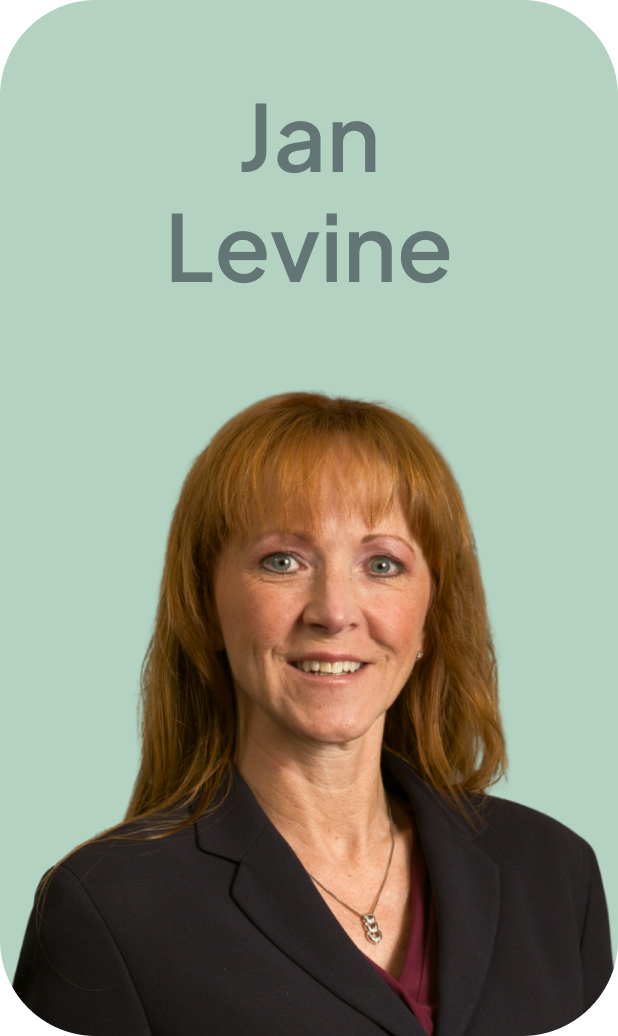
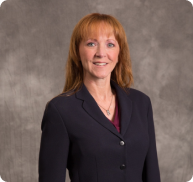
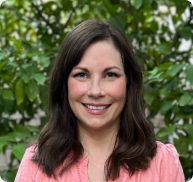
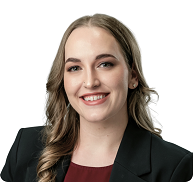
Jan Levine,
RN, MSN, FNP-BC

About

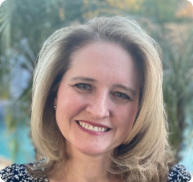
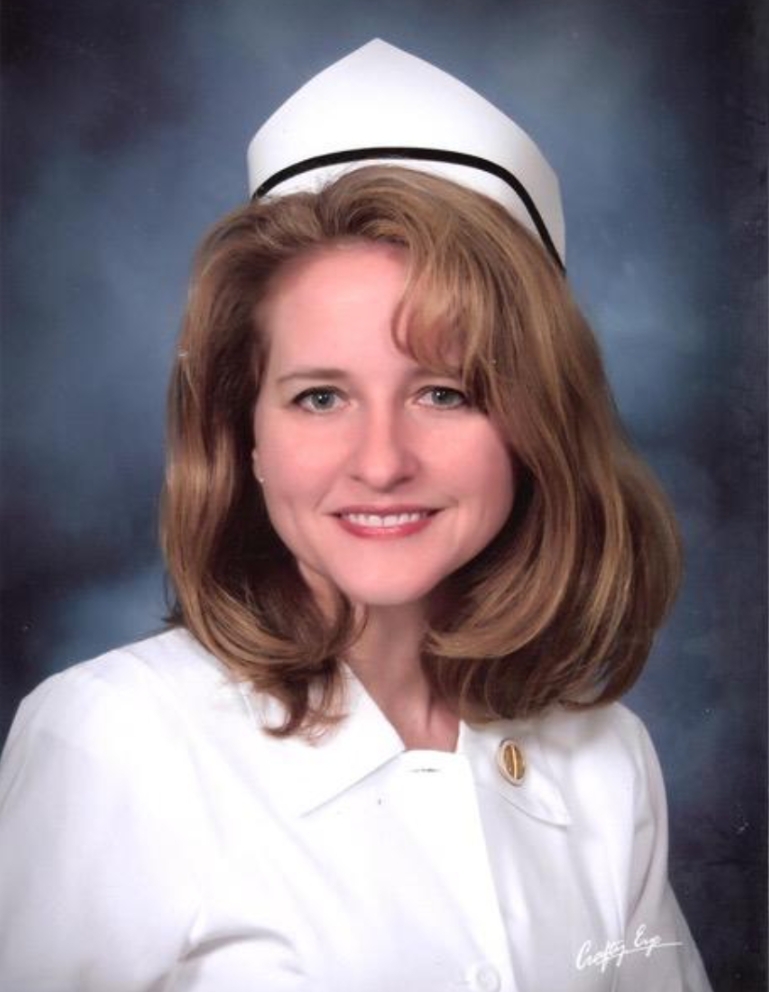
Jan Levine is a Clinical Research Investigator at MD First Research Chandler, with a distinguished career in neurology and clinical research. Born and raised in Arizona, Jan graduated from Arizona State University in 1999 and began her medical career as a CV/Trauma/Surgical ICU nurse, a role she excelled in for 10 years.
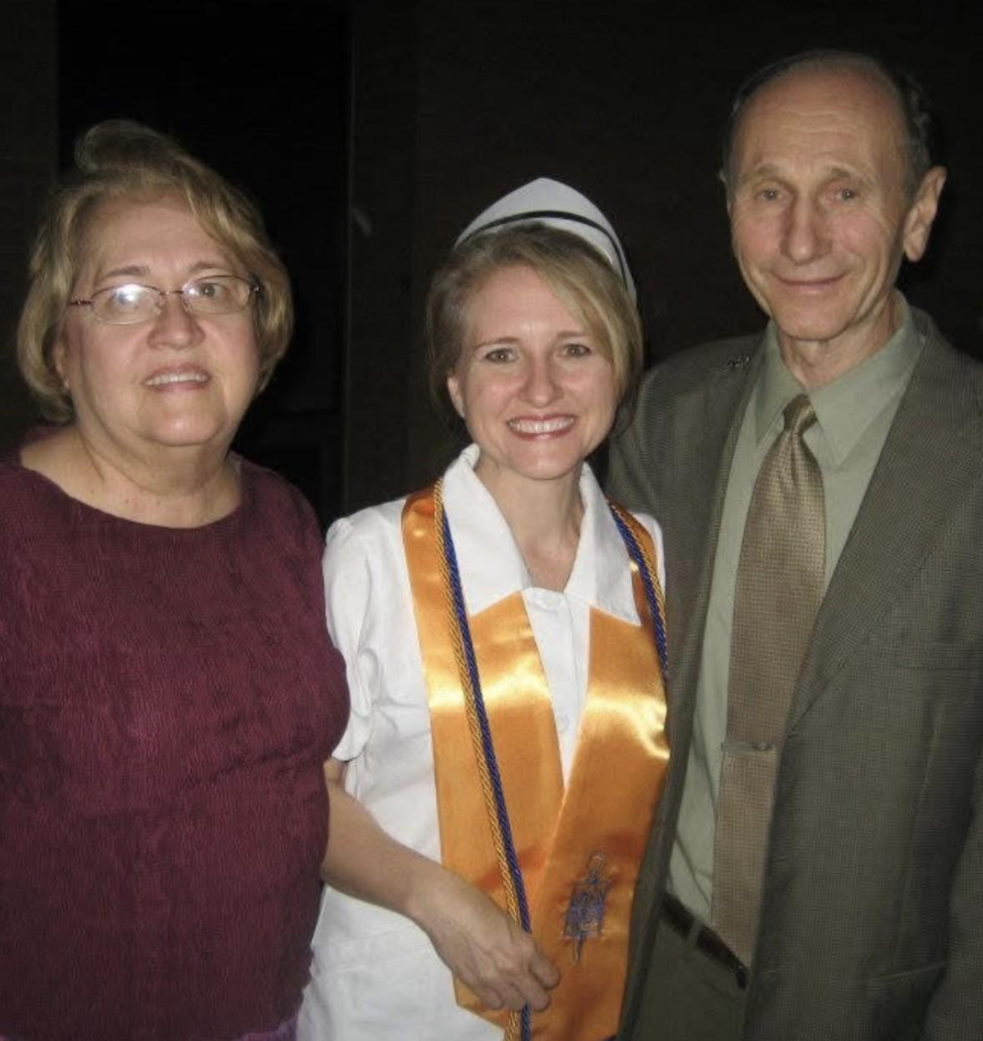
In 2009, Jan earned her Master of Science in Nursing and Family Nurse Practitioner degree from Grand Canyon University. She subsequently spent a decade in private neurology practice, providing comprehensive care for patients at her office and at institutions like Banner University Hospital and Abrazo Heart Hospital. Her expertise encompassed neuromuscular disorders, neurodegenerative diseases, epilepsy, movement disorders, headaches, and spinal conditions.
During her last five years in practice, Jan specialized in headache syndromes, treating conditions such as migraines, cluster headaches, and trigeminal neuralgia. She administered neurotoxin injections with Botox, Dysport, and Xeomin for migraines, blepharospasm, cervical dystonia, and limb spasticity.
Her skills also included lumbar punctures, skin biopsies, deep brain stimulation (DBS) programming, vagus nerve stimulation (VNS), and nerve blocks. An advocate for advancing neurological care, she contributed to research studies on neuromuscular and neurodegenerative diseases and migraines. Her work has been presented at the American Academy of Neurology and published in medical journals.
For the past five years, Jan has worked with CND Life Sciences, where her research has focused on diagnostic skin biopsy testing for synucleinopathies such as Parkinson’s disease, Lewy Body Dementia, Pure Autonomic Failure, Multiple System Atrophy, and REM Sleep Behavior Disorder.
Jan resides in Paradise Valley with her two dogs. Outside of her professional commitments, she enjoys staying active at the gym, hiking, playing tennis, traveling, and spending time with her dogs. She is also passionate about cooking and baking.

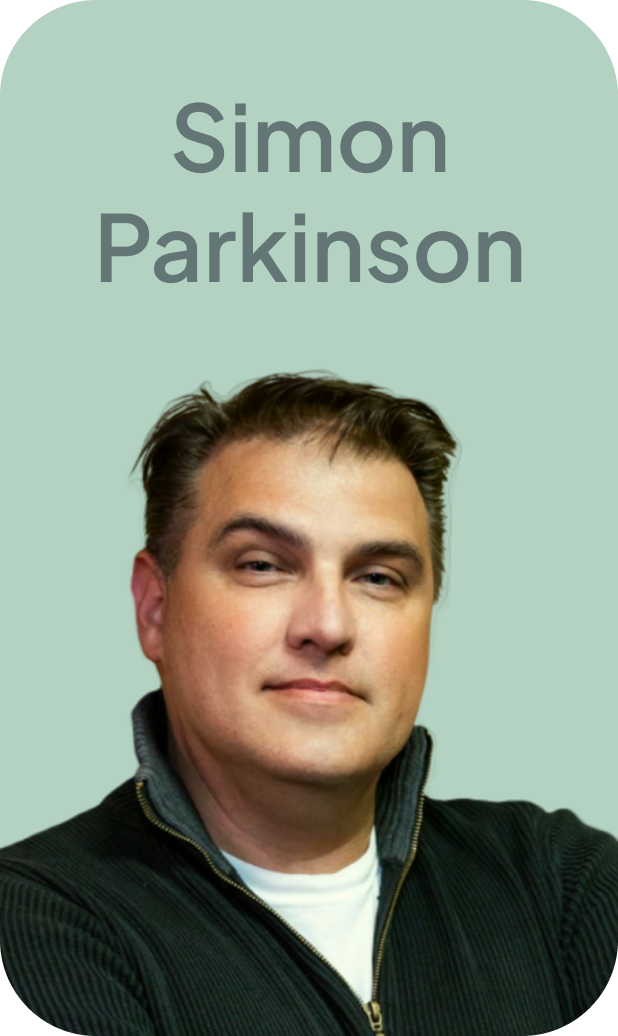
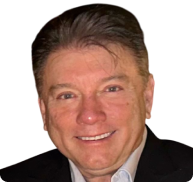
Simon Parkinson,
FNP-C

About

Simon grew up in North Wales before moving to London where he trained as a nurse. He moved to Phoenix, Arizona in 1999, to work in field of neurosurgery at the Barrow Neurologic Institute. He worked there between 1999 and 2005 when he graduated as a Family Nurse Practitioner from the University Phoenix.
Simon has been a nurse practitioner in family practice and neurosurgery, where he developed an interest in the care and treatment of patients with neck pain, back pain, neuropathy, as well as fostering a specific interest in the treatment and prevention of headaches. He is currently a member of the American Academy of Neuroscience Nursing and holds his CNRN certification.

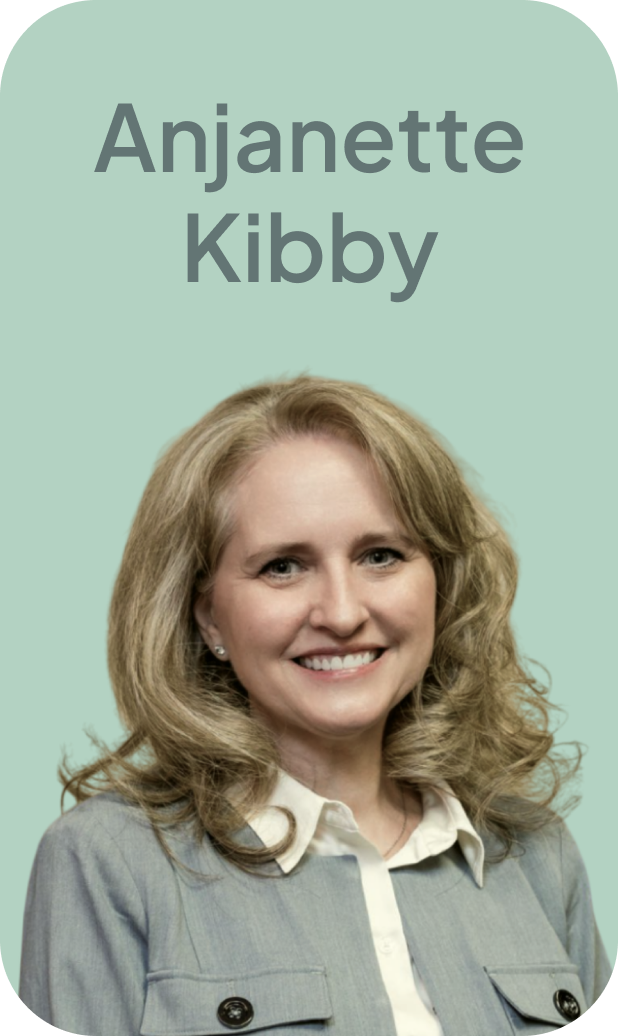
Anjanette Kibby,
FNP-C

About

Anjanette Kibby holds a BA in Psychology from the University of Texas San Antonio, a BS in Nursing from the University of Texas Arlington, and a Master of Nursing as a Family Nurse Practitioner from the University of Phoenix.
Anjanette’s career in healthcare has been marked by her dedication to providing exceptional care and her passion for neurology. She has been with the Brain and Spine Center since 2021, where she continues to be fascinated by the brain’s role in governing thoughts, emotions, movement, and consciousness. She enjoys the diversity of neurological conditions but holds a special interest in movement disorders. These conditions often present unique challenges and complexities, making their management both demanding and rewarding. Despite the lack of cures for many movement disorders, Anjanette finds the field’s ongoing innovation and progress inspiring, and she takes pride in implementing cutting-edge advancements into patient care.
Throughout her career, Anjanette has built meaningful relationships with her patients and their families. She treasures the long-term nature of neurological care, allowing her to develop deep connections that often feel like an extension of her own family. She considers it a profound privilege to provide care in such an impactful way.
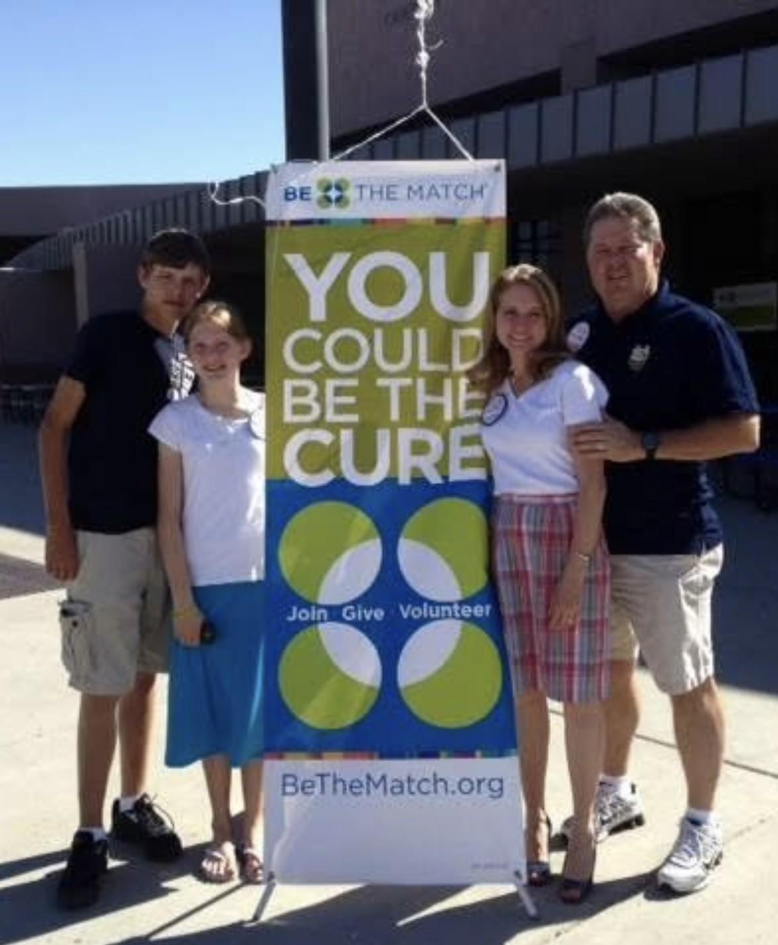
Outside of her professional life, Anjanette has served on the Fairview Heights Library Board and volunteered at the Fairview Heights Food Pantry and local church refugee triage events. Her family has also hosted BE THE MATCH bone marrow screening drives in St. Louis, Atlanta, and Phoenix. During her undergraduate studies, she worked at Jim Cullum’s Landing, a jazz club on the San Antonio River Walk, where she fell in love with jazz music and met her husband, David. Married for 30 years, Anjanette and David have three sons and a daughter and are now enjoying the empty-nesting and grandparenting stage of life. They enjoy golf, pickleball, and chasing their grandchildren around playgrounds. If time and money were no object, Anjanette would love to cruise frequently, spending her days immersed in fiction by her favorite authors, Ken Follett and Brandon Sanderson, and evenings watching ocean waves.

Awards and Recognitions

Professional Memberships

Dr. Hemant Pandey,
MD

About

– Championing Dementia Care, Biomarker Research, and Community Engagement

Clinical Expertise

Dementia and Biomarker Research

Publications and Research Contributions

Community Service and Education

Research Trials

Speaker and Advocate

Awards and Leadership

Personal Life and Interests Awards and Leadership

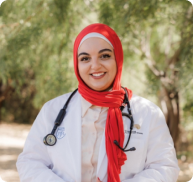
Diala Manfoukh,
PA-C

About

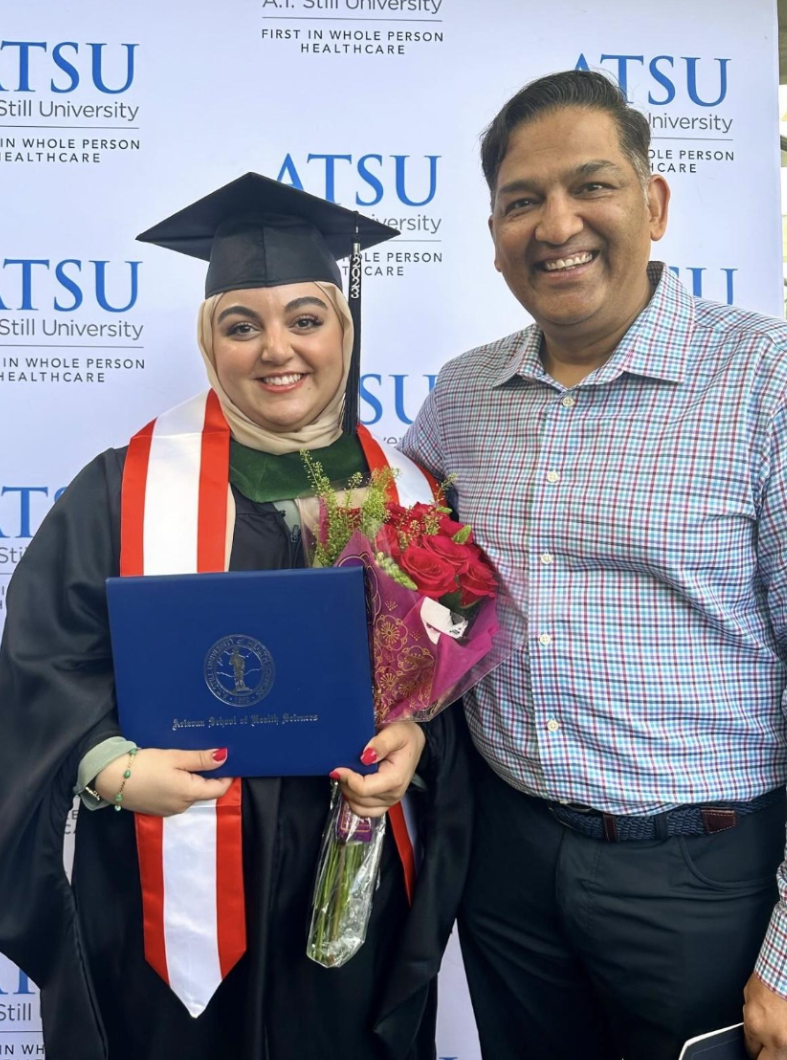
Diala Manfoukh earned her Master of Science in Physician Assistant Studies from A.T. Still University in Mesa, Arizona, graduating in September 2023. She previously completed her Bachelor of Science at Arizona State University, staying true to her Arizona roots.
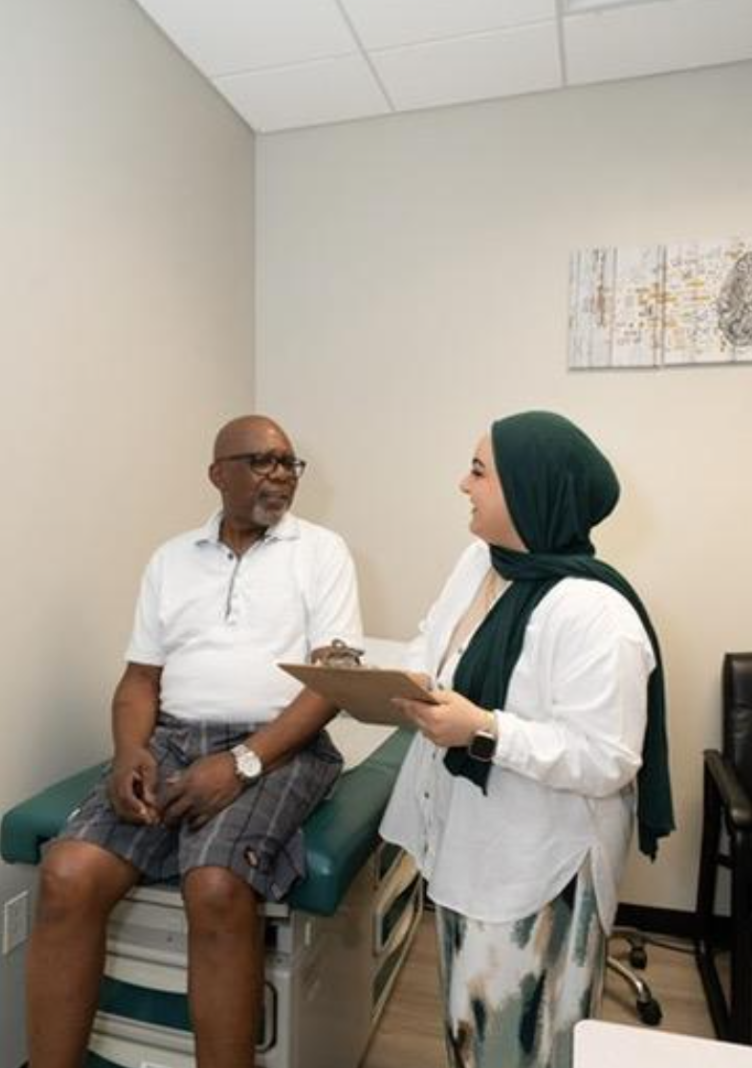
Diala chose neurology because it is an exciting and fast-growing field that translates skills in science, technology, medicine, and engineering into real-life solutions that help everyday people. She finds studying the brain especially rewarding, as it allows her to contribute to building the future and expanding our understanding of ourselves and our society. Her passion for neurology was further solidified during her four years as a medical scribe at Brain and Spine, where she developed strong connections with patients at both the Chandler and Casa Grande locations.
In recognition of her professionalism and positive attitude throughout PA school, Diala was honored with the DPAS Professionalism Award from A.T. Still University in September 2023. She is also a certified Physician Assistant through the National Commission on Certification of Physician Assistants (NCCPA).
Diala is deeply committed to community service. She volunteers with various Arizona Muslim organizations, focusing on youth mentorship, and has contributed to global humanitarian efforts through organizations like Helping Hand for Relief and Development.
At home, Diala cherishes the time she spends with her close-knit family, which includes her supportive parents and her younger brother and sister. Outside of work, she is a passionate crafter who finds joy in exploring different art forms. Whether painting vibrant canvases, knitting cozy creations, or designing unique jewelry, she loves bringing her ideas to life.
In her dream scenario, Diala would embark on a journey to explore every corner of the globe, immersing herself in diverse cultures, cuisines, and traditions. After fulfilling her wanderlust, she envisions opening a cozy coffee shop that doubles as a petting zoo—a place where people can relax, connect with animals, and experience simple joys in a welcoming environment. Beyond these personal aspirations, Diala is deeply passionate about advocating for peace and improving humanity on a global scale. She dreams of working at a legislative level to champion causes that promote equality, justice, and a better future for all.

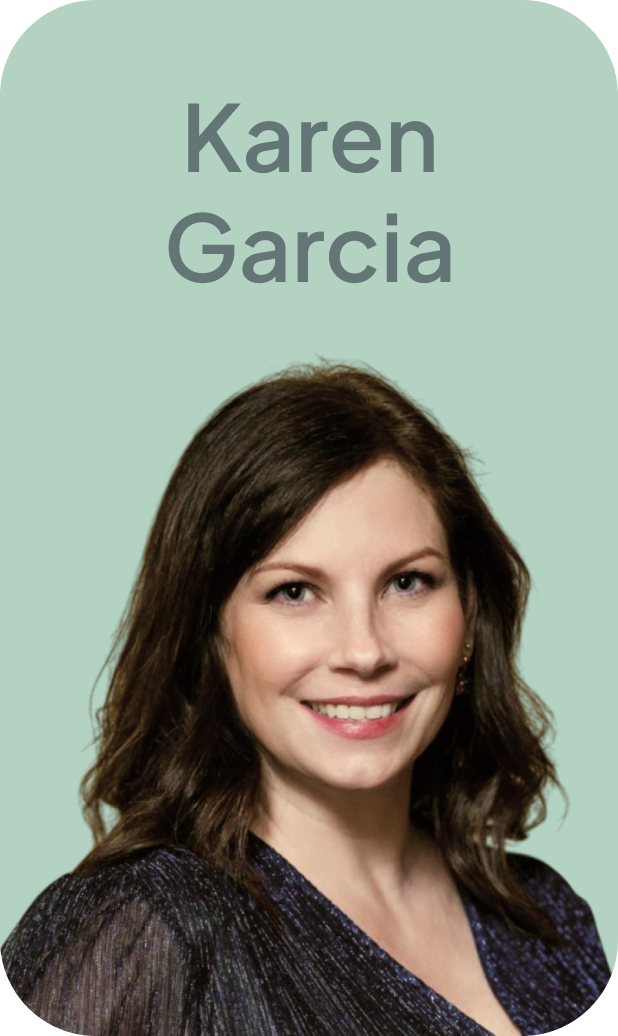
Karen Garcia,
DNP, APRN, FNP- C

About

Karen Garcia’s journey in healthcare has been shaped by her commitment to understanding the complexities of the human body and mind. Her academic pursuit began with a Bachelor’s degree in Psychology from the University of Texas at San Antonio, followed by a Master’s degree from St. Mary’s University in Texas. These foundational years fueled her fascination with the intricate connection between mental health and physical well-being, which would later guide her career path.
After completing her studies in psychology, Karen sought to apply her knowledge directly to patient care. This aspiration led her to pursue a nursing degree at Arizona State University, where she honed her clinical skills and developed a deep passion for patient advocacy and hands-on care. She built a strong foundation as a cardiac nurse for four years and an orthopedic nurse for six years. Her desire to bridge her psychology background with advanced healthcare practice led her to enroll in the Doctor of Nursing Practice (DNP) program at the University of Arizona. There, she refined her leadership abilities and clinical expertise, empowering her to drive positive change in healthcare.
Karen’s primary focus in healthcare has evolved into a specialization in neurology, particularly neuropathy and sleep medicine. She is deeply passionate about the role of sleep in overall health and is currently dedicated to expanding the sleep program at the Brain and Spine Center. Karen believes that improving sleep quality is a critical component of both neurological and overall health, and she is enthusiastic about working with a team committed to advancing this field.
Karen’s upbringing as an Army ‘brat’ has taken her to Germany (twice), Virginia, Kansas, and Texas, with Texas remaining her home until she moved to Arizona in 2005. She fell in love with Arizona when her husband, an Air Force member, was stationed there. In her spare time, Karen enjoys traveling, reading true crime and mystery novels, playing board games, skiing, hiking, riding rollercoasters, shopping, and spending time with her husband, daughter, and two fur babies. She dreams of spending more time at the beach, traveling, and exploring new languages and cultures.

Awards and Recognitions

Professional Memberships

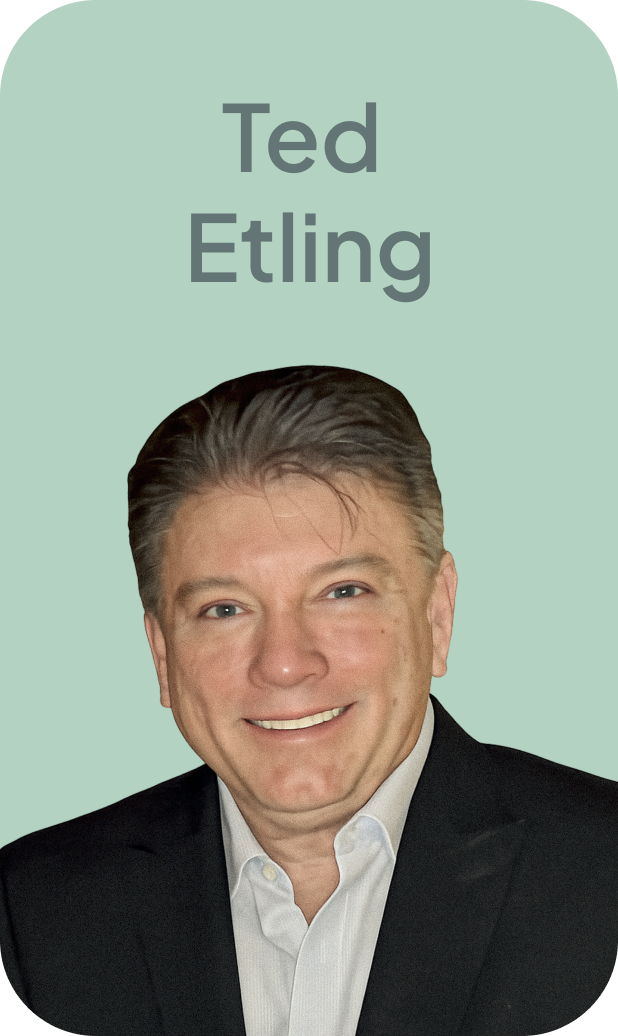
Ted Etling,
PsyD

About

Licensed psychologist specializing in clinical neuropsychology and has extensive knowledge and training in brain behavior/cognitive functioning. He assesses the cognitive impact of dementia, Parkinson’s and Multiple Sclerosis, traumatic brain injuries and stroke as well as seizure activity. Dr. Etling received his masters and doctorate degrees from Illinois School of Professional Psychology in Schaumberg, Illinois after obtaining a 4 -year undergraduate degree from Azusa Pacific University in Azusa, California. His predoctoral training was completed at Wright State University/Miami Valley Hospital in Dayton, Ohio. A 2-year post-doctorate training position in neuropsychology/cognitive rehabilitation was completed at JFK Medical Center/Center for Head Injuries and Brain Trauma Unit in Edison, NJ. He is licensed to practice in the State of Arizona. He also completed additional residency training at Arizona Neuropsychological Services focused on testing and diagnosing dementias.

Jan Levine

Anjanette Kibby

Hemant Pandey

Trigger Point Injection for Headache and Neck Pain

Indication Trigger point injections are used to treat:

Process

1. Preparation:

2. Injection:

3. Duration:

Instructions for Patients

Before the Procedure:

After the Procedure:

Benefits

Side Effects

Discuss with your doctor to determine if trigger point injections are suitable for your condition.

Sphenopalatine Block for Migraine

The sphenopalatine ganglion (SPG) block is a treatment option for acute and chronic migraines. The SPG is a nerve cluster located behind the nose that plays a role in headache and facial pain. The block involves delivering medication to the SPG to reduce inflammation and interrupt pain signals.

Benefits

Indication for Use

Indicated for patients with acute migraine attacks or chronic migraines not adequately managed with standard treatments.

Frequency

The frequency of SPG blocks depends on the patient’s response. It is often used as needed for acute attacks or in a series for chronic migraines.

Side Effects

Discuss with your neurologist to determine if the SPG block is an appropriate treatment option for your migraines.

Nerve Conduction Study (NCS) and Electromyography (EMG)

Indication

NCS and EMG are diagnostic tests used to evaluate nerve and muscle function. They are commonly indicated for:

Process

1. Nerve Conduction Study (NCS):

2. Electromyography (EMG):

The combined procedure typically takes 30-90 minutes and is performed by a neurologist or specialis

Instructions for Patients

Before the Procedure:

During the Procedure:

Benefits

Side Effects

Discuss with your neurologist to determine if NCS and EMG are appropriate for your condition.

Electroencephalogram (EEG)

Indication

An Electroencephalogram (EEG) is a diagnostic test used to measure the electrical activity of the brain. It is commonly used for the following:

Process

Instructions for Patients

Plasma Biomarkers for Alzheimer’s Disease

Indication

Plasma biomarkers are advanced blood tests used to detect and monitor Alzheimer’s disease and related neurodegenerative conditions. They are commonly indicated for:

Key Biomarkers

Process

Instructions for Patients

Benefits

Limitations

Side Effects

Discuss with your neurologist to determine if plasma biomarker testing is appropriate for you or your loved one.

Neuropsychological Testing

Indication

Neuropsychological testing is used to assess cognitive, emotional, and behavioral functioning. It is commonly indicated for:

Process

Instructions for Patients

Before the Test:

During the Test:

Benefits

Side Effects

Discuss with your neurologist if neuropsychological testing is appropriate for your condition.

Ring Device for Home Sleep Study
Indication

The ring device is a revolutionary tool for assessing sleep quality and identifying sleep-related disorders. Unlike traditional home sleep studies, it does not require nasal cannulas or chest belts. It is commonly indicated for:

Process

It monitors key physiological signals, including:

Instructions for Patients

Before the Test:

During the Test:

Benefits

Limitations

Side Effects

Discuss with your sleep specialist to determine if the ring device is right for your sleep study needs.

Botox for Migraine

Botox (onabotulinumtoxinA) is an FDA-approved treatment for chronic migraine, defined as headaches occurring 15 or more days per month with at least 8 migraine days. It helps prevent migraines by relaxing specific muscle groups and blocking the release of chemicals involved in pain transmission.

Benefits

Frequency

Side Effects

Talk to your neurologist to determine if Botox is suitable for you.

Autonomic Testing

Indication

Autonomic testing evaluates the function of the autonomic nervous system, which controls involuntary bodily functions like heart rate, blood pressure, and digestion. It is commonly indicated for:

Process

1. Heart Rate and Blood Pressure Tests:

2. Tilt Table Test:

3. Sudomotor Tests:

4. Other Tests:

The procedure is non-invasive, typically lasting 60-90 minutes, and is customized based on symptoms.

Instructions for Patients

Before the Procedure:

During the Procedure:

Benefits

Side Effects

Discuss with your neurologist to determine if autonomic testing is appropriate for your condition.

Prolonged EEG with Intermittent Monitoring (pEEG)

Indication

Prolonged EEG with intermittent monitoring is used for patients requiring extended brain activity observation. It is commonly indicated for:

Process

Instructions for Patients

Before the Procedure:

During the Procedure:

Benefits

Side Effects

Discuss with your neurologist to determine if prolonged EEG with intermittent monitoring is suitable for your condition.

Cognitive Therapy for Patients with Dementia or Alzheimer’s Disease

Indication

Cognitive therapy is a non-pharmacological approach to support brain function and emotional well-being in patients with dementia or Alzheimer’s disease. It is indicated for:

Goals of Therapy

Process

Initial Assessment:

Therapy Sessions:

Family Involvement:

Instructions for Patients and Caregivers

Benefits

Side Effects

Discuss with your neurologist or therapist to determine if cognitive therapy is suitable for your condition or your loved one’s care.

Nutrition Therapy for Dementia: The MIND Diet

Indication

Nutrition therapy, specifically the MIND diet, supports brain health and is recommended for:

Dietary Components

Brain-Healthy Foods:

Foods to Limit:

Insurance Verification

Instructions for Patients

Benefits

Follow-Up

Video Nystagmography (VNG)

Indication

Video Nystagmography is a diagnostic test used to evaluate:

Process:

Preparation

Tests Performed:

Duration:

Insurance Verification

Instructions for Patients

After the Procedure:

Benefits

Side Effects

Follow-Up

Inspire Sleep Device
Indication

The Inspire sleep device is used for patients with:
Process:

Pre-Procedure:

How It Works:

Follow-Up:

Insurance Verification

Instructions for Patients

Before Surgery:

After Surgery:

Benefits

Side Effects

Contact Us


    Causes

    1. Neurological Disorders:

    2. Vestibular Dysfunction:

    3. Orthostatic Hypotension:

    4. Vision Problems:

    5. Muscle Weakness and Joint Instability:

    6. Medications:

    7. Environmental Hazards:

    8. Age-Related Changes:

    Causes of Seizures

    1. Structural Causes:

    2. Genetic Causes:

    3. Metabolic Causes:

    4. Other Causes:

    Types

    There are several types of strokes, each requiring different treatment approaches:

    1. Ischemic Stroke:

    2. Hemorrhagic Stroke:

    3. Transient Ischemic Attack (TIA):

    4. Cryptogenic Stroke:

    Recognizing Stroke Symptoms

    Recognizing the symptoms of a stroke quickly can save lives. Use the acronym FAST to identify key warning signs:

    Other symptoms may include:

    Neuromyelitis Optica Spectrum Disorder (NMOSD)

    NMOSD Overview:

    Symptoms of NMOSD:

    Diagnosis:

    Treatment for NMOSD:

    Types

    1. Relapsing-Remitting MS (RRMS):

    2. Primary Progressive MS (PPMS):

    3. Secondary Progressive MS (SPMS):

    4. Progressive-Relapsing MS (PRMS):

    MS Symptoms

    Physical Symptoms:

    Cognitive and Emotional Symptoms:

    Pain Characteristics

    1. Positive Symptoms (New Sensations):

    2. Negative Symptoms (Loss of Normal Sensation):

    Types

    Neurological pain stems from dysfunction or damage in the nervous system and manifests differently based on its origin.

    1. Central Pain:

    Symptoms:

    2. Peripheral Pain:

    Symptoms:

    Predictors of Falls

    1. History of Previous Falls:

    2. Balance and Gait Impairments:

    3. Muscle Weakness:

    4. Medications:

    Specific drug classes that elevate risk:

    5. Cognitive Impairment:

    Conditions such as dementia or mild cognitive impairment (MCI):

    6. Sensory Deficits:

    7. Dizziness or Vertigo:

    8. Chronic Medical Conditions:

    Conditions that affect mobility, strength, or coordination, including:

    9. Fear of Falling:

    10. Environmental Hazards:

    Types of Tremor

    Symptoms

    Cardiovascular Symptoms:

    Gastrointestinal Symptoms:

    Thermoregulatory Symptoms:

    Neurological Symptoms:

    Other Symptoms:

    Tremor Symptoms

    Parkinson’s Disease

    Motor Symptoms (PD):

    Non-Motor Symptoms (PD) :

    Types of Parkinson’s Disease (PD)

    Types of Sleep Disorders

    1. Insomnia

    Types of Insomnia:

    2. Hypersomnia

    Types of Hypersomnia:

    Symptoms of Sleep Disorder

    1. Insomnia

    Symptoms:

    2. Hypersomnia

    Symptoms:

    3. Obstructive Sleep Apnea (OSA)

    Symptoms:

    Risk Factors:

    Complications:

    4. Narcolepsy

    Symptoms:

    The International Headache Society (IHS) Criteria

    Doctors use these guidelines to diagnose migraines.

    At least two of these features:

    At least one of these symptoms:

    Types of Migraines

    1. Episodic Migraines

    2.Chronic Migraines

    3.Migraine with Aura

    4.Migraine without Aura

    5.Vestibular Migraine

    6.Menstrual Migraine

    7.Hemiplegic Migraine

    8.Migraine equivalent

    Common Symptoms of Migraines

    Assess Your Migraine Severity: The MIDAS Score

    To better understand how migraines affect your life, doctors often use a tool called the Migraine Disability Assessment (MIDAS) questionnaire.

    What is the MIDAS Score?

    How it works

    What the scores mean

    Why it's helpful

    EEG Monitoring Internship

    Brain and Spine Center and Nuronz would like to offer students an opportunity to work from home for a neurology clinic and learn basic and advanced EEG monitoring.

    EEG is a tool used to monitor brain activity in patients with neurological diseases such as confusion, dementia, and seizures. This is a wonderful opportunity for introduction into the world of neuroscience, as brain wave activity is the building block of wakefulness, sleep, and its role in patients with dementia and seizures. This will also help meet the goals for clinical hours required for graduate and medical school applications.

    Internship Details:

    • Shift work (all in AZ time): 12:00 AM—6:00 AM, 6:00 AM—12:00 PM, 12:00 PM—6:00 PM, 6:00 PM—12:00 AM
    • Priority will be given to those who can work overnight shift 12:00 AM—6:00 AM AZ time (3:00 AM—9:00 AM ET)

    Types of Seizures

    1. Classification by Cause:

    2. Classification by Symptoms and Area of Brain Involvement:

    Focal Seizures (Partial Seizures):

    Focal Onset Aware (Simple Partial Seizures):

    Focal Onset Impaired Awareness (Complex Partial Seizures):

    Generalized Seizures:

    Absence Seizures (Petit Mal):

    Tonic-Clonic Seizures (Grand Mal):

    Myoclonic Seizures:

    Atonic Seizures (Drop Attacks):

    Tonic Seizures:

    Clonic Seizures:

    Unknown Onset Seizures:

    Types

    1. Postural Orthostatic Tachycardia Syndrome (POTS):

    2. Neurocardiogenic Syncope (Vasovagal Syncope):

    3. Multiple System Atrophy (MSA):

    4. Familial Dysautonomia (Riley-Day Syndrome):

    5. Pure Autonomic Failure (PAF):

    ASU | Pre-Health Internship Program (PHIP) Scribes

    Working as a scribe in a neuroscience office provides a wealth of opportunities to delve into the current landscape of neuroscience. This field is not limited to medical care but also encompasses brain wave activities, research, and its interplay with artificial intelligence.
    Our clinic occupies a unique position, offering incoming students a comprehensive understanding of disease processes, patient interactions, and the documentation tasks typically associated with scribing.

    At the Brain and Spine Center, you will get the opportunity to:

    We are looking for students who have:

    Causes

    1. Primary Causes:

    2. Secondary Causes:

    Types

    1. Large Fiber Neuropathy

    2. Small Fiber Neuropathy (SFN)

    3. Posterior Column Neuropathy

    4. Autonomic Neuropathy

    5. Focal Neuropathy

    Symptoms

    Motor Symptoms:

    Autonomic Symptoms: